Sourcing
M&A Deal Sourcing and Origination: Advanced Strategies and Tactics
Explore modern M&A deal sourcing and origination strategies. Learn how Grata helps firms discover, qualify, and connect with the right opportunities.


Banked deals are winnable -- but not by relying on bankers, racing through diligence, or crossing your fingers that your fund name gets you on the list. Firms win competitive processes by doing the work years before the CIM lands in their inbox: building CEO relationships, establishing credibility, and creating visibility long before a banker calls.
This guide breaks down:
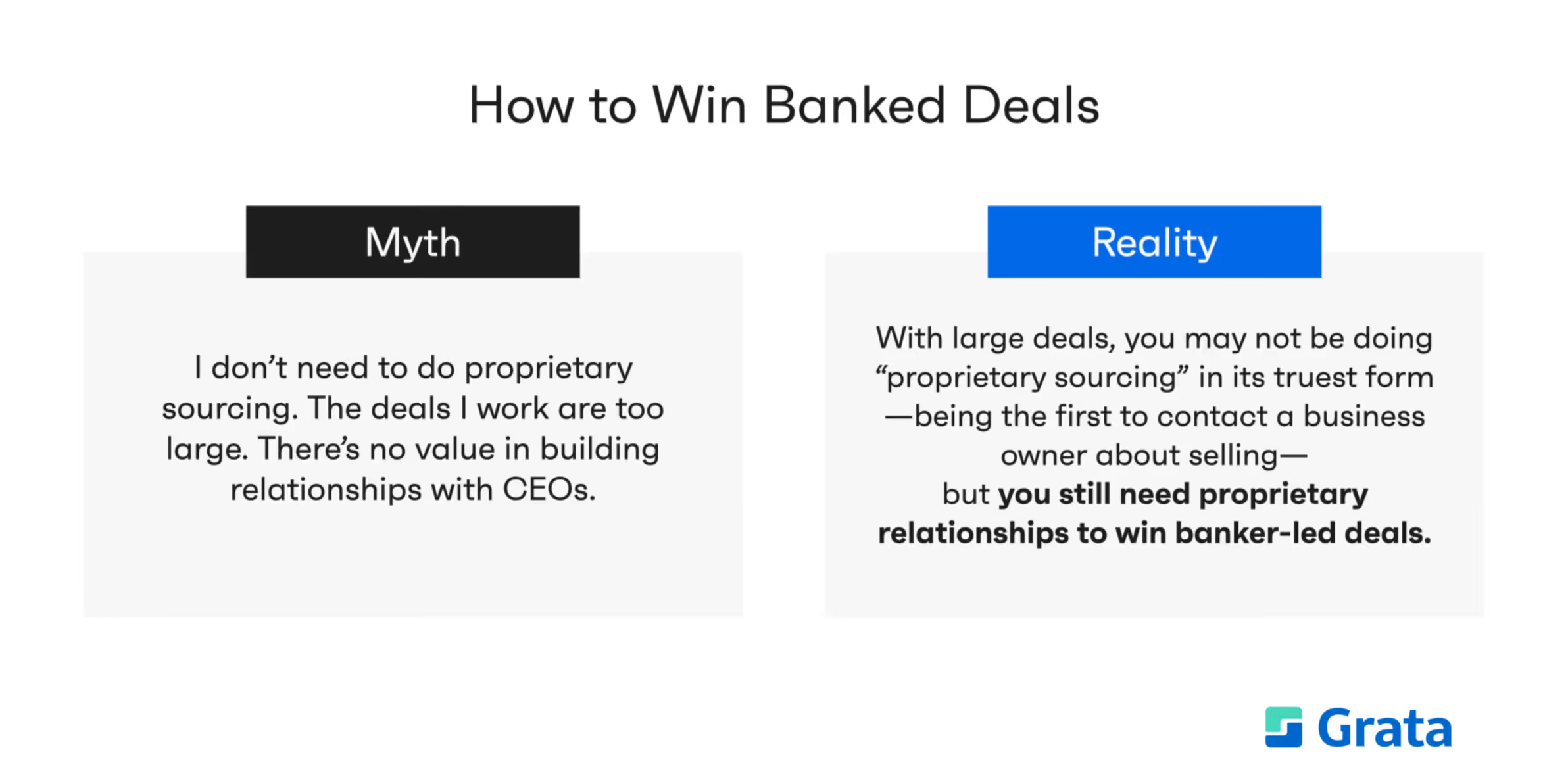
There’s a myth about proprietary sourcing and investment banking strategies -- that if you’re pursuing larger deals, you no longer need direct outreach to executives. The reality is much different.
Let me explain.
When a large, prominent company goes up for sale, they’re hiring bankers. No question. The deal will have higher valuations, heavy due diligence, and lots of hands on deck to see the deal through. Conventional wisdom says the edge in these investment banking deals is information: run early due diligence, speed up the process, and get a head start on your competition.
It’s not.
Why? Because none of that guarantees you even make it onto the list in the first place.
When bankers put together their process list, two voices matter: their own recommendations—and the CEO’s.
And the CEO’s preferences almost always come from who they already know.
Even the most experienced investors can stumble in competitive, banker-run processes. While pricing and thesis fit matter, many losses come from avoidable process missteps.
Bankers control the timeline, but founders influence the outcome. Teams that fail to build rapport with the CEO often lose out to firms that make a stronger personal connection. Founders want to know who they’ll be partnering with for the next 5 to 7 years.
Bankers craft a polished narrative. Winning firms go beyond the CIM: they build their own proprietary angles, pressure-test assumptions, and demonstrate a differentiated understanding of the company and market. Investors who rely on banker materials alone tend to blend into the background.
In a competitive process, hours matter. Firms that hesitate on initial outreach, data requests, or management meeting scheduling signal a lack of conviction. Speed and urgency communicate a seriousness that often determines who stays in the running.
Winning investment banking deals requires one thing: building relationships directly with CEOs -- early and consistently.
When bankers ask CEOs for their preferred buyer list, CEOs name the dealmakers who have:
I wish the secret was easy. It’s not. But it is effective.
Nurturing a network of CEOs in your industry requires work. It requires building your authority in the space. It requires time and effort to prove to CEOs that they should respond to your emails, take your phone calls, and meet with you when you’re in town.
But the effort pays off. Relationships win deals. And to build them at scale, you need the right technology.
You can try to track thousands of companies, communications, and contacts in a spreadsheet, but things will inevitably fall through the cracks -- which can cost you a seat at the table.
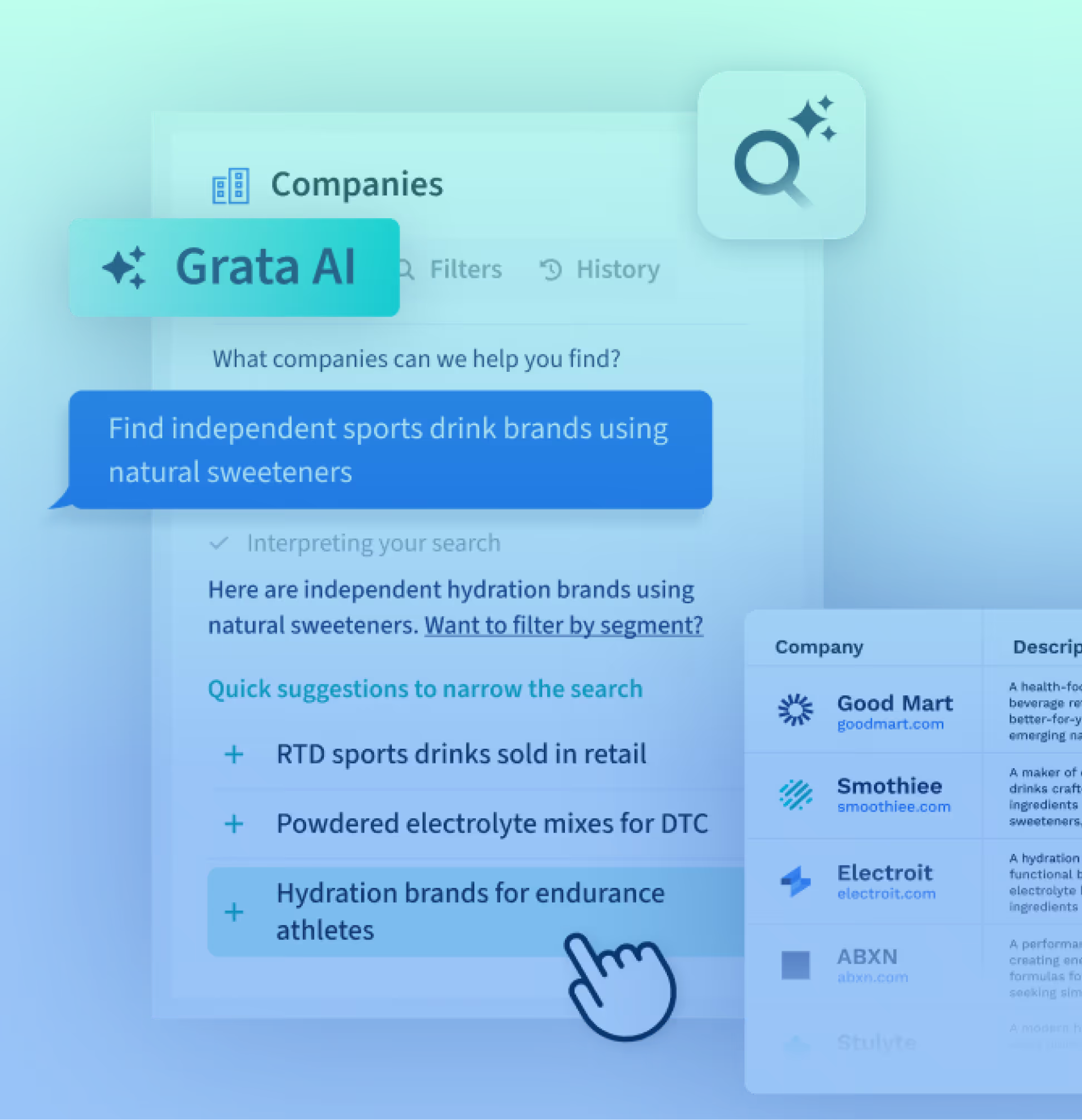
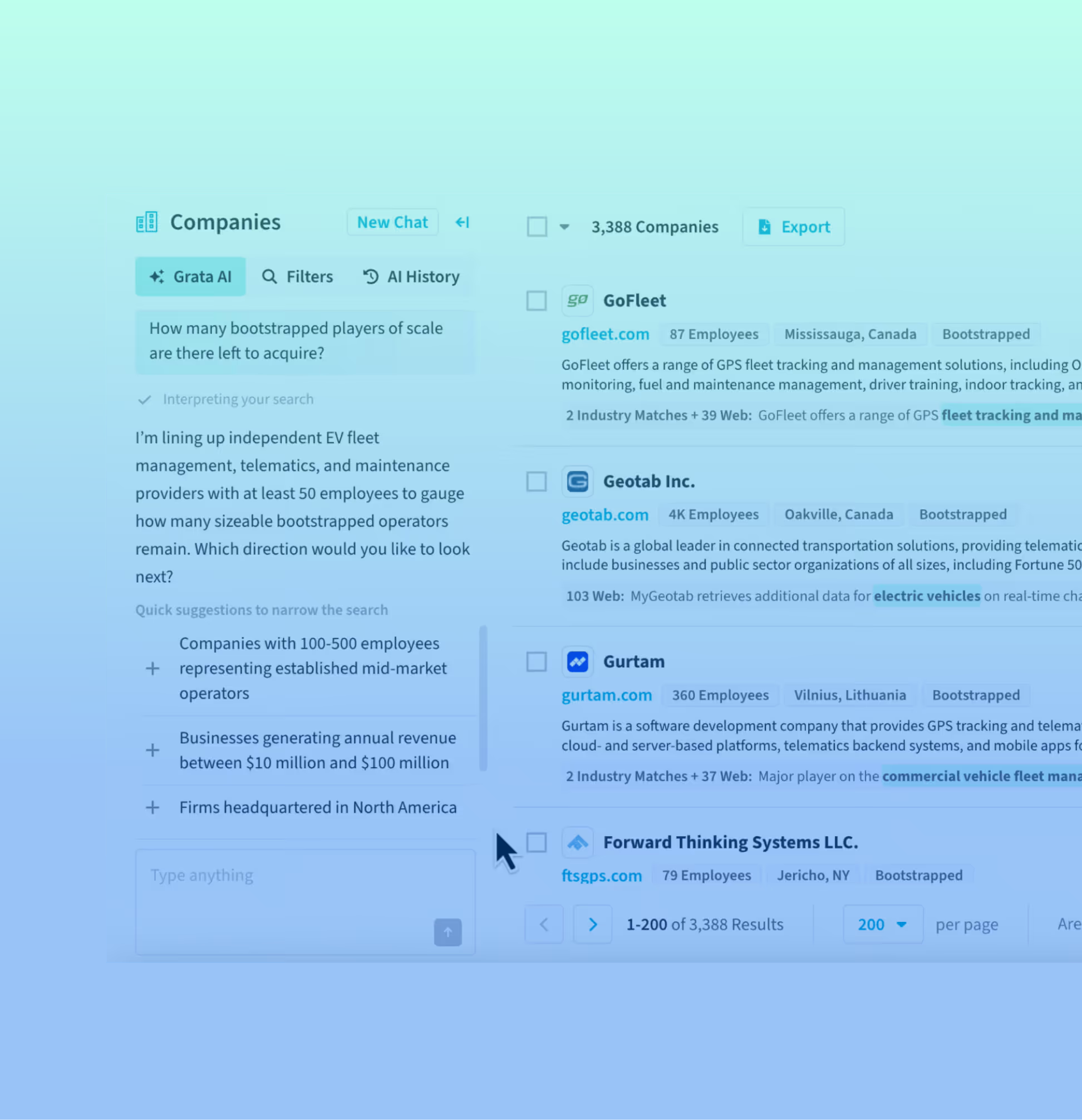
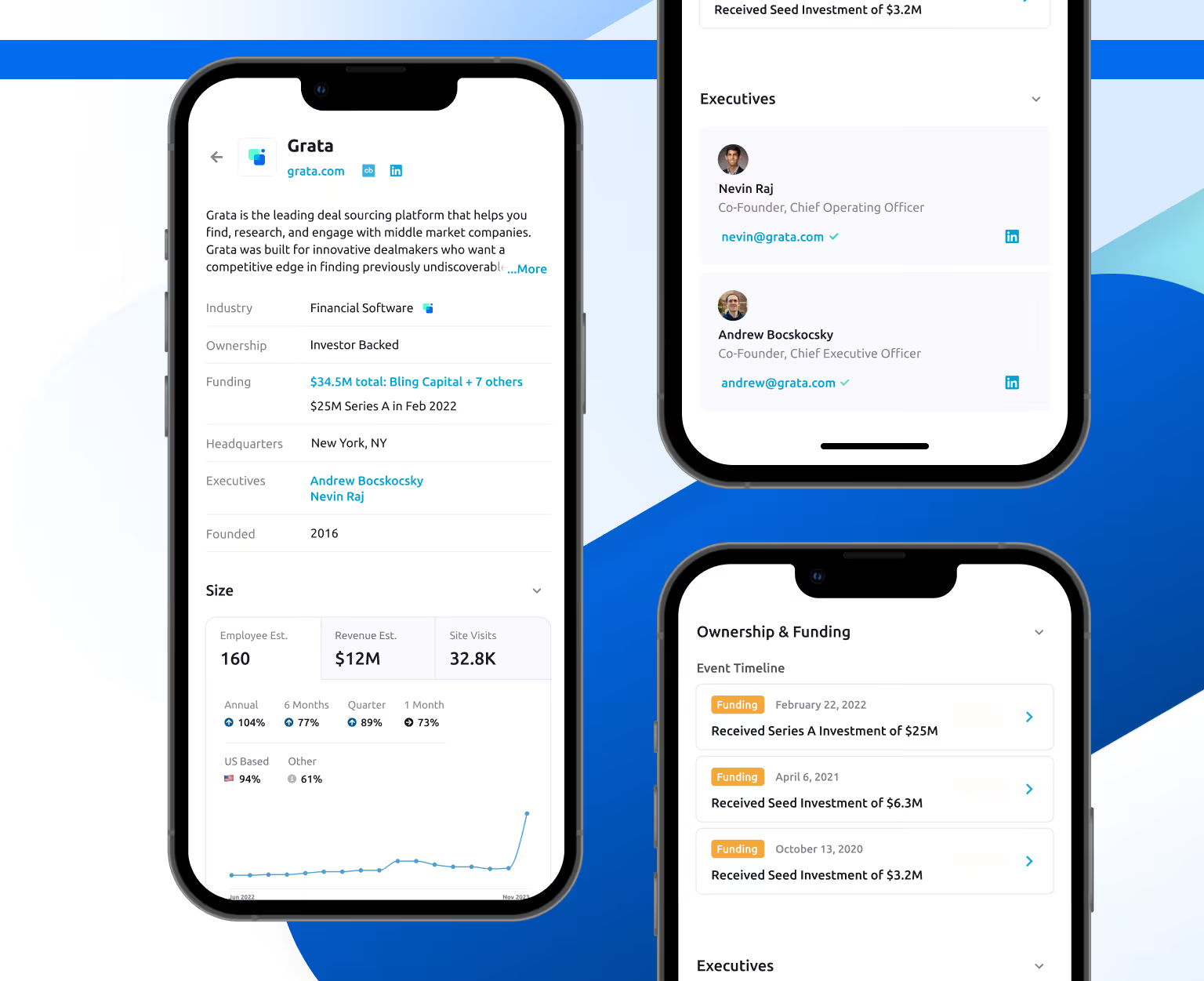
With Grata’s deal sourcing platform, you can:
It’s everything but the handshake. That part is on you.
Learn more. Set up a demo today.
A banked deal is an M&A opportunity marketed by an investment bank or broker. The banker manages the outreach, timeline, data flow, and competitive process.
Proprietary deals stem from direct relationships between investors and founders, often without a banker involved. Banked deals are competitive and structured, while proprietary deals allow more flexibility, deeper early conversations, and less pricing pressure.
Yes. With the right investment banking strategies, smaller firms win banked deals – by moving faster, connecting directly with founders, and showing a clear value‑creation plan. Cultural fit and conviction often outweigh fund size.

Monthly tactics from Grata’s team and operators.
From market trends to career advice, Grata’s content fuels smarter decisions







.avif)