
WHY GRATA INTELLIGENCE
Comprehensive market coverage
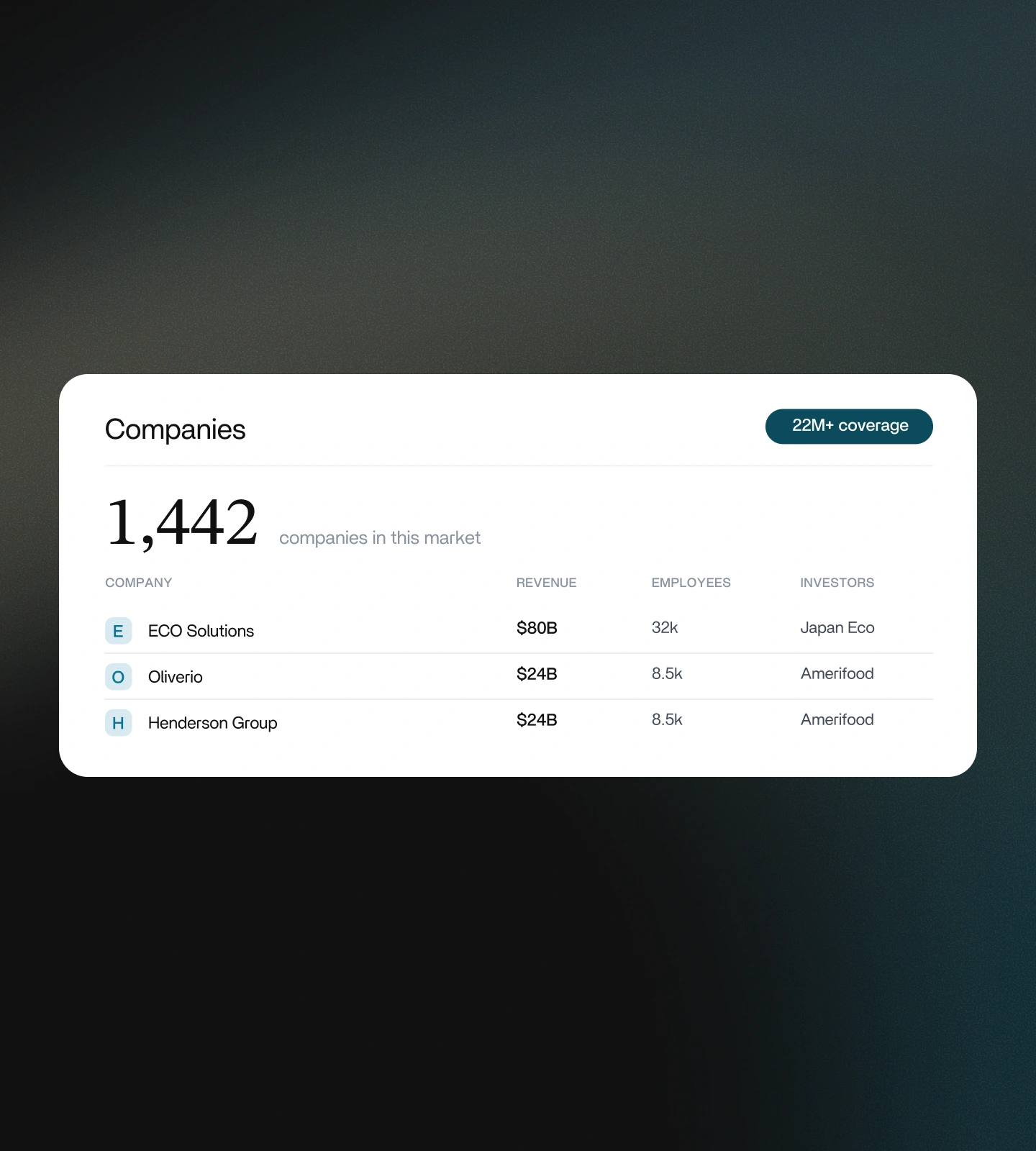
Grata Intelligence has complete coverage on 22M+ companies and 1M+ transactions, so you're always seeing the most comprehensive view of your industry of focus, enabling defensible decisions.

INDUSTRY RESEARCH
Grata Intelligence tracks real-time changes across industries, so you always have the latest information to evaluate market attractiveness and strategic fit.
WHY GRATA INTELLIGENCE
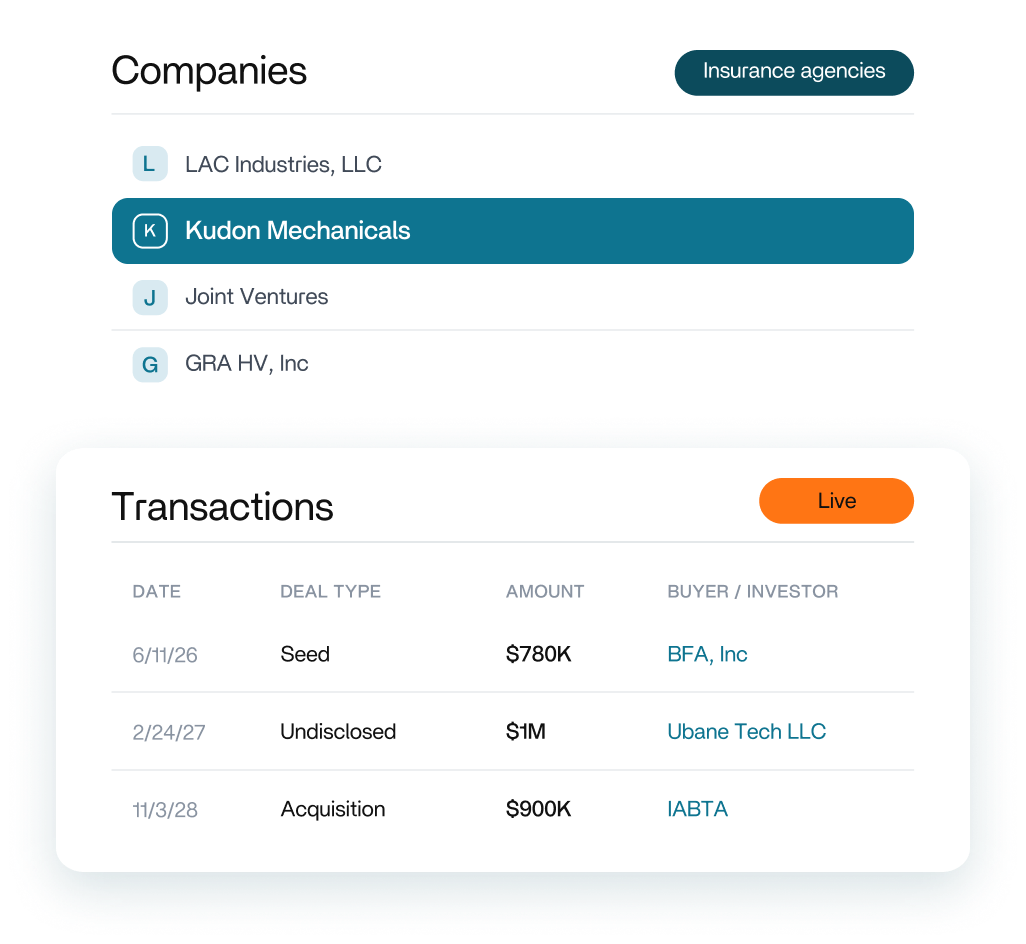
Grata Intelligence has complete coverage on 22M+ companies and 1M+ transactions, so you're always seeing the most comprehensive view of your industry of focus, enabling defensible decisions.
WHY GRATA INTELLIGENCE
Build your view of an industry with market insights derived from verified data, audited by our team of 600+ research analysts. The result is investment-grade intelligence that Blueflame, Datasite’s M&A agent, can weave into expert call prep, internal memos, pitches, and more.

WHY GRATA INTELLIGENCE
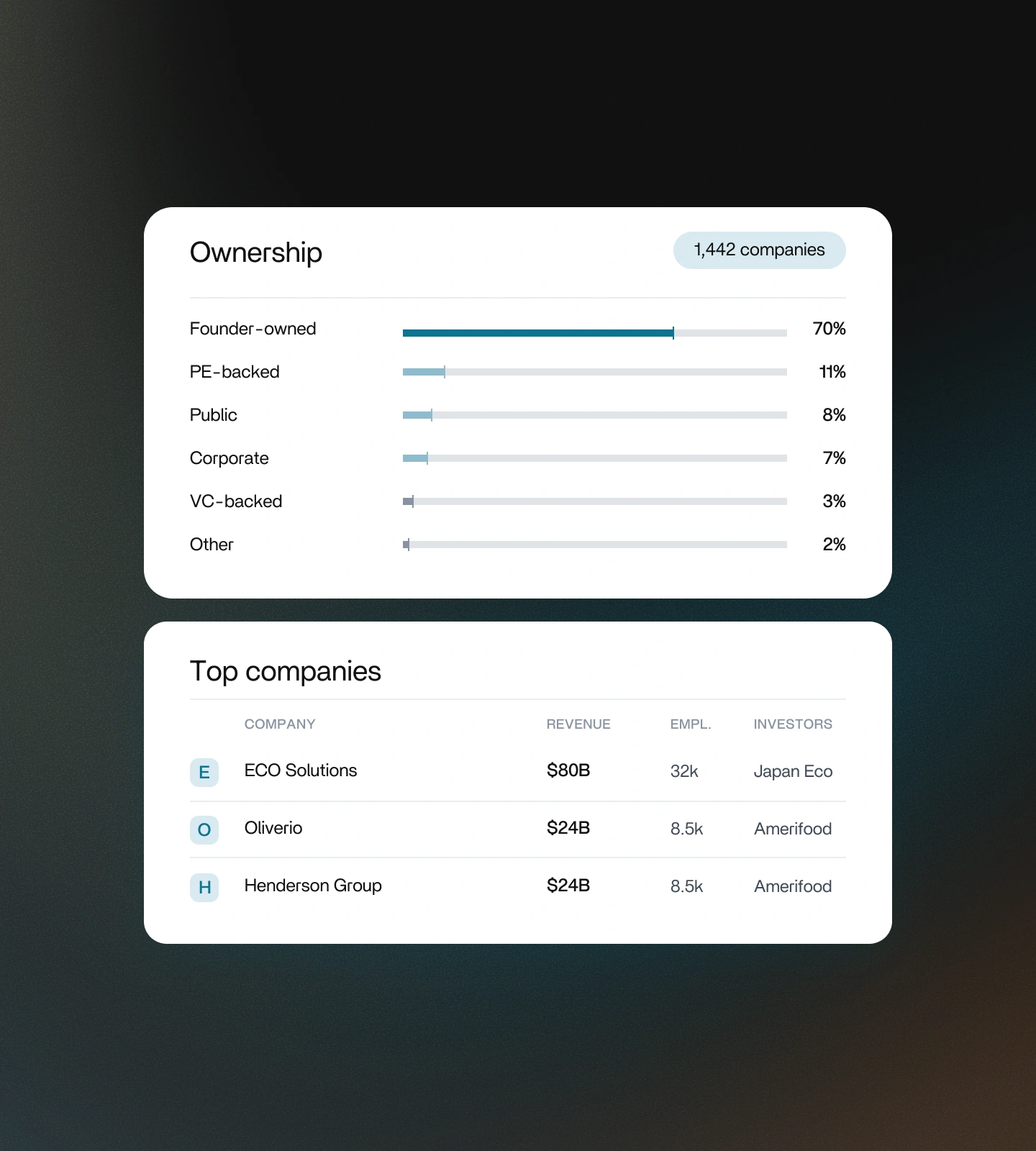
Quickly understand fragmentation, market share, M&A opportunities, and competitive dynamics for a broad market or defined sub-sector to make decisions on next steps quickly and confidently—before your competitors have made up their minds.
Trusted by over 2,000 global customers
Define an industry, understand how it's structured and who competes in it, and surface hidden subsegments, emerging niches, and adjacent opportunities.
Get market-level insights, benchmarks, and trends that help craft or validate a new thesis by understanding historical performance and projected growth at both the broad industry and niche sub-sector level.


Understand competitive dynamics, acquisition potential, and geographic concentrations across a new market. Ask Blueflame for an analysis or forward any inbound teaser to Blueflame’s inbox and our agent gets started on the task immediately.
Surface hidden sub-segments, emerging niches, and adjacencies you might otherwise miss. Ask Blueflame to score strategic fit, analyze synergy potential, and flag risks against your firm's context for faster decisions.
Straight answers on how Grata Intelligence helps you stay on top of industry research.
Analysts group companies by business model, specialization, customer type, and operational attributes to reveal the true structure of a market.
Teams scan company density, growth indicators, hiring activity, and recorded signals to identify leaders, challengers, and emerging operators.
You rely on private company attributes, like headcount, product focus, technology stack, and market activity, to understand how the industry functions.
You track hiring, new entrants, leadership moves, acquisitions, and technology adoption to see where the market is shifting.
Grata maps entire industries using private-company attributes, revealing true segments, hidden niches, and emerging patterns that traditional codes often miss.
Yes. Grata shows market fragmentation data, how many companies operate in a sector, geographic pockets of opportunity, and more.
Grata highlights differences in business models, capabilities, growth signals, and positioning, making it easier to compare operators within a market.
Absolutely. Grata surfaces signals, such as hiring momentum, product launches, and concentrated new company formation, that reveal early-stage segments.
Analysts use Grata to map companies, test assumptions, compare segments, and confirm whether their thesis aligns with actual market structure.
Teams develop more complete market maps, uncover hidden opportunities, strengthen thesis development, and make more informed sourcing and strategy decisions.



Give dealmakers more capacity to execute complex work across the lifecycle, grounded in the context needed to make better decisions and focus effort on the opportunities that matter most.